| No joy for civil servants as Biti slashes budget 10pc |
|
|
|
| Thursday, 19 July 2012 00:00 |
|
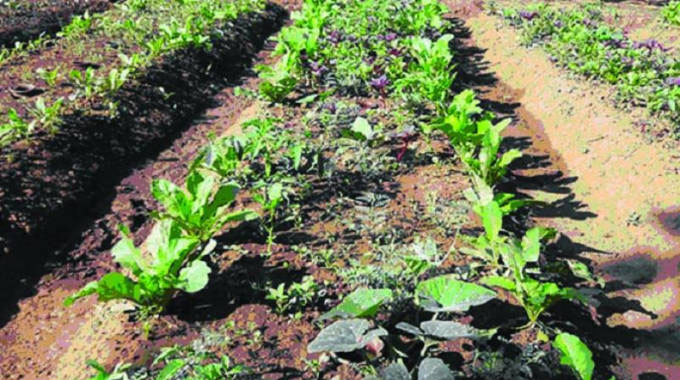
The civil servants had given the Government up to the end of this month to review their pay or risk devastating strike. Government missed its revenue target by US$244 million by end of June with a large chunk being shortfalls on diamond dividends of US$229,3 million. The economic growth forecast was also revised from 9,4 percent to 5,6 percent due to revenue shortfalls and poor performance of agriculture. The wage bill consumed 70 percent of its original US$1,073 billion budget allocation. Agriculture, that was initially expected to register 11,6 percent growth, is now expected to decline to minus 5,8 percent. Poor harvests were characterised by the late onset and erratic rainfall and long dry spells from the end of December 2011. The outlook is, however, not totally bleak as inflation will remain within target. He also proposed to raise excise duty on diesel and petrol from 16 and 20 cents per litre to 20 and 25 cents per litre, respectively, with effect from August 1. Government will also sell some of its shareholding in major companies. accounted for the bulk at 73 percent. Minister Biti said imports have continued to grow much faster, reflecting increased demand for equipment and raw materials for resuscitating industries. This would be within the context of the Comprehensive Agriculture Policy, which puts annual financial requirements for agriculture at US$2,4 billion. He said issues that needed to be urgently addressed to aid economic recovery were the country’s politics, attracting foreign direct investment, leases and restoration of markets as well as the perennial power shortages. Minister Biti said the Zimbabwe Investment Authority would soon be aligned with the Indigenisation and Empowerment Regulations to address investors’ concerns to enable the country to attract meaningful investment into the country without undermining the empowerment initiatives. In the six months to June, domestic debt and arrears by Government ministries to service providers continued to rise, further compromising service delivery. To reduce local authorities and inter-parastatal net indebtedness, clearance of arrears to these entities will be directed to the respective parastatal or local authority creditors. Economists yesterday said the mid-term fiscal policy review lacks “substance” on key issues affecting the economy. “This was a disappointing budget review, devoid of any real substance. It was silent on key issues that should drive the economy. For instance it relegated the significance of the mining sector to the economy, there has been no effort to improve the Interbank market, no additional capitalisation of the Reserve Bank of Zimbabwe, no clear strategy on debt clearance and no investment in power generation,” he said. Mr Mugaga said the mid-term fiscal review went against the grain of the Government’s stated objective of leveraging the country’s potential in order to attain economic growth. “The budget is largely meant to support everyday expenditure, which means we will continue to fare with a liquidity crunch.” There is also agriculture financing, management and streamlining of the civil servants wage bill, capitalisation of the central bank, automation of tax administration services and a review of the country’s mineral taxation model among other areas. Another economist who asked not to be named blamed Minister Biti for “killing agriculture by refusing to fund the sector”. “There is no way that we can achieve the set growth targets without substantial investment in agriculture. Let’s face it, agriculture at its prime employed lots of people in this country and was effectively the backbone of the economy. BancABC group economist Mr James Wadi said the lack of fiscal space that has seen the Finance Minister revising the budget downwards shows that the economy is over stretched. He said the current scenario where there is a huge demand for revenue in a shrinking economy was not sustainable as such demands are only feasible in a growing economy. “We are hitting a situation where even the productive sectors that have been propping up the economy are being choked by impediments and everything is slowly grinding to a halt,” he said. Some observers are, however, of the opinion that the minister could not have done much more than he did in view of the downside risks that have been dogging the economy since the start of the year. It is these negative factors that forced Minister Biti’s hand to review the budget downwards to US$3,6 billion from the initial US$4 billion, as well as reviewing this year’s Gross Domestic Product growth projection from 9,4 percent to 5,6 percent.
|